
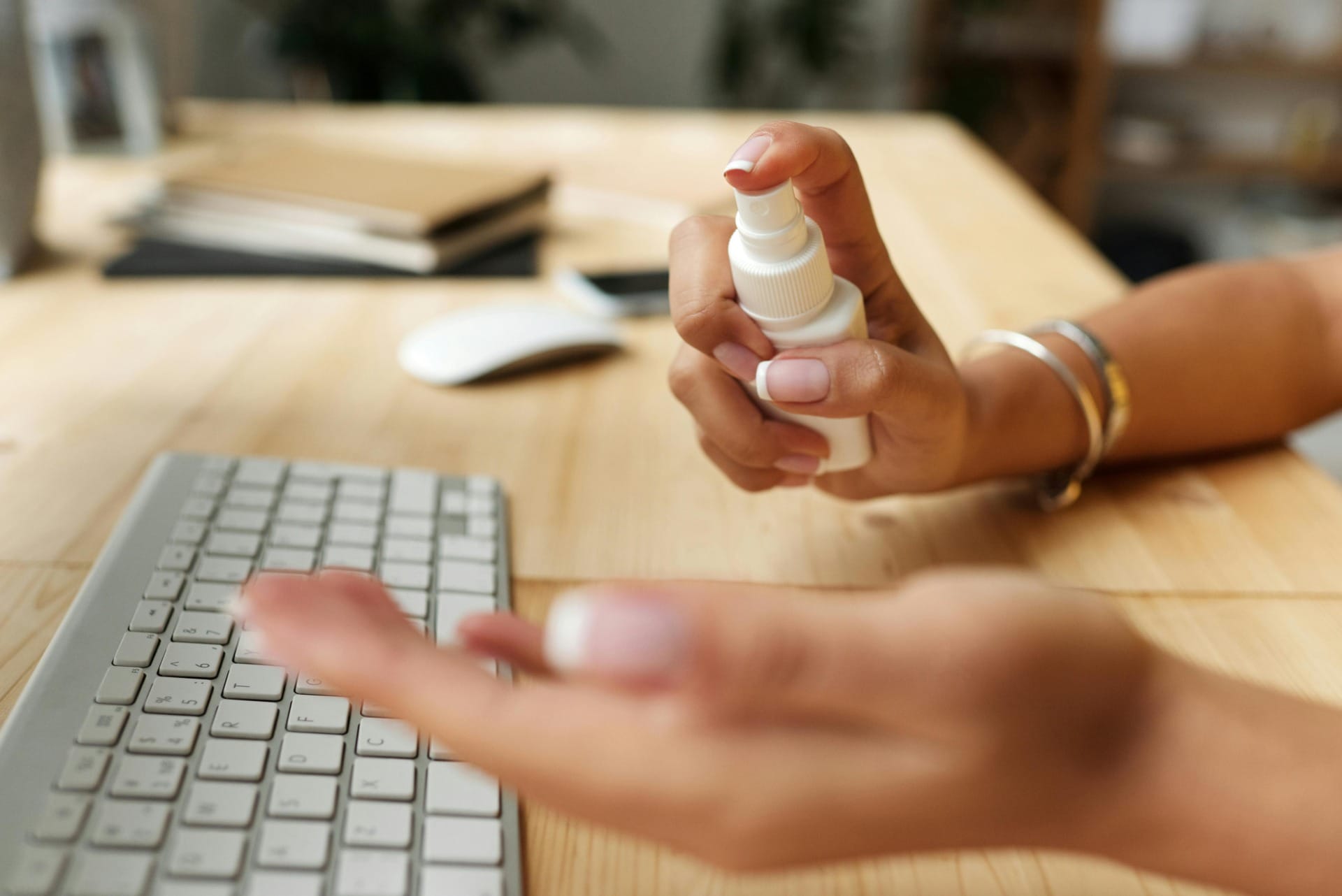
A clean office doesn’t just look good—it’s the foundation of a healthier, more focused, and more productive workplace. When the environment is tidy, surfaces are disinfected, and everything is in its place, employees can concentrate better, breathe easier, and feel more motivated to do their best work.
Most people spend around 40 hours each week in the same office space. That means even small hygiene habits—wiping desks, washing hands, or decluttering regularly—can have a huge impact on overall wellbeing. Cleaner surroundings reduce the spread of germs and improve morale, lower absenteeism, and help prevent avoidable safety hazards like slips, trips, and clutter-related accidents.
In short, good office cleanliness isn’t just about appearances—it’s a daily investment in your team’s health, focus, and happiness.
Let’s dive into the best practices for office cleanliness and how to encourage good workplace hygiene among your team.
What “clean” really means: cleaning vs sanitising vs disinfecting
To maintain good office cleanliness, it helps to understand what each step involves:
- Cleaning: Removes visible dirt, dust, and debris using tools like microfibre cloths and soapy water.
- Sanitising: Lowers the number of germs on surfaces to safe levels, usually using alcohol-based or eco-friendly cleaning products.
- Disinfecting: Kills bacteria and viruses on high-touch surfaces such as keyboards, phones, and door handles.
A healthier environment relies on doing all three—regularly and correctly.
Sick employees are not productive ones

Every sneeze, cough, or unwashed hand adds germs to your office. Research from the University of Arizona found that a single sick employee can spread a virus to more than 50% of workplace surfaces within hours.
High-touch areas include:
- Door handles and light switches
- Phones, keyboards, and shared equipment
- Copier buttons and kitchen appliances.
Prevention is key:
- Wipe down these surfaces at least once daily using disinfectants.
- Provide cleaning supplies, antibacterial wipes, and alcohol-based hand sanitiser at key points. This is crucial to maintain basic hygiene.
- Encourage staff to wash their hands regularly, especially before handling or eating food in shared areas like break rooms. They should also avoid touching potentially contaminated surfaces
Reducing germs means fewer sick days, fewer absences, and a healthier workforce overall.
A clean office supports better focus and mental health

Clutter and dust don’t just look messy—they affect concentration. A tidy office environment promotes calm and helps employees think clearly.
Try these practical steps:
- Declutter desks at the end of each day.
- Label storage tubs and drawers for easy organisation.
- Schedule five-minute tidy breaks to reset between tasks and maintain a tidy workspace.
Keeping workstations organised also reduces safety risks like slips and trips caused by cluttered floors or tangled cords. A visually clean and hygienic workspace creates a sense of order, directly supporting better mental wellbeing and overall morale.
Daily, weekly, and monthly cleaning routines

Keeping a clean and presentable workplace doesn’t have to be complicated—it just needs structure. Breaking your office cleaning into daily, weekly, and monthly routines helps ensure every surface, shared area, and workstation gets the right attention at the right time.
This simple schedule supports a clean and hygienic workspace all year round and makes it easier for employees and your external cleaning service to share responsibility.
Daily germ-control tasks
- Desks and equipment
- Wipe surfaces with microfibre cloths and disinfectant spray.
- Clean keyboards, phones, and mouse devices using a lint-free cloth.
- Avoid cross-contamination with colour-coded cloths for different areas.
- Shared areas
- Empty bins and replace liners.
- Wipe kitchen benches, taps, and food preparation areas with soapy water.
- Restock paper towels and toilet paper in restrooms.
Safety reminder: Always follow product labels. Disinfectants need adequate contact time (usually 30–60 seconds) to kill germs effectively.
Weekly deep cleaning
While daily tasks prevent surface dirt, a weekly clean targets deeper grime and potentially contaminated surfaces.
- Vacuum carpets and mop hard floors.
- Dust light fixtures, vents, and skirting boards.
- Disinfect door frames, light switches, and shared office spaces like meeting rooms.
- Clean windows and mirrors for better light and presentation.
- Wash reusable kitchen cloths or switch to biodegradable wipes.
For large or busy offices, scheduling a professional commercial cleaning service ensures consistency and thoroughness—especially for bathrooms, upholstery cleaning, and kitchens.
Monthly deep-clean and maintenance
A monthly routine removes deep-seated dirt and maintains a hygienic workplace environment long-term.
- Professional carpet cleaning or steam cleaning rugs.
- Wipe walls, baseboards, and reception and entrance areas.
- Deep-clean restrooms, replacing any worn fixtures or supplies.
- Check and replace air filters to improve indoor air quality.
- Inspect and clean light fittings to maintain brightness.
Use this as part of your ongoing cleaning schedule to eliminate poor hygiene practices, reduce employee health risks, and support compliance with your company’s workplace hygiene policy.
Encourage employee hygiene habits
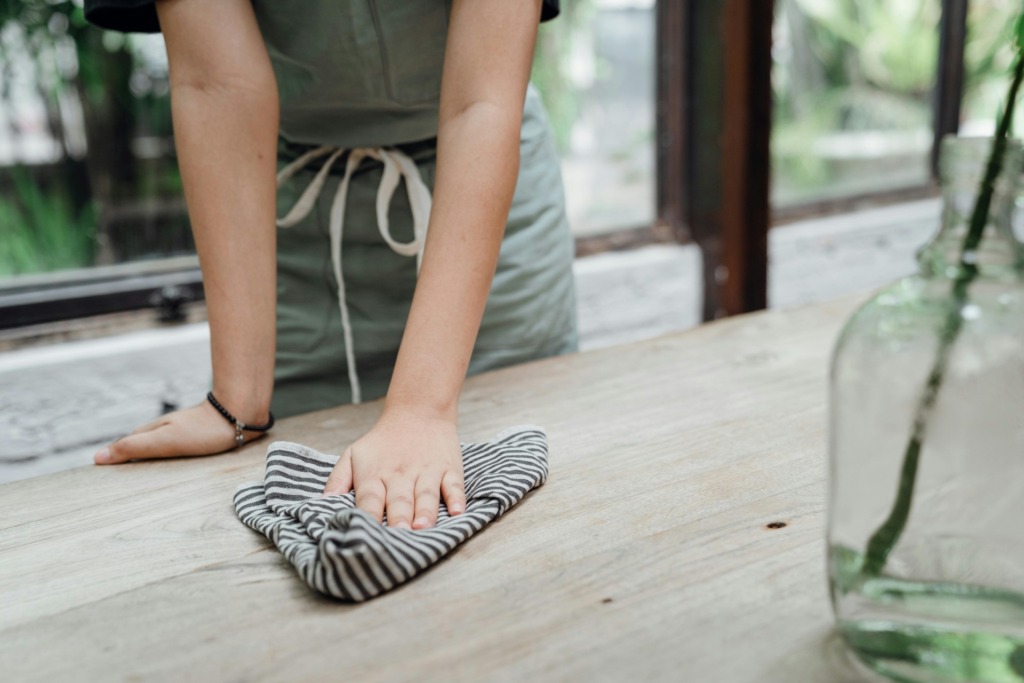
Cleaners can’t maintain hygiene alone—every employee plays a role in keeping a healthy workplace. Here’s how you can maintain good hygiene practices in your office:
- Encourage staff to wash their hands after touching shared items or before meals.
- Remind employees to keep their areas tidy and maintain personal hygiene, like regularly washing hair and using deodorant.
- Place gentle signage in kitchens and restrooms reminding everyone to prepare food safely and practice personal hygiene.
- Provide disinfectant wipes near shared devices so staff can wipe before and after use.
Creating a culture of hygiene discipline encourages respect for the shared workspace and reduces illness across teams.
FAQs: Maintaining office cleanliness and workplace hygiene
Why is hygiene in the workplace important?
Good workplace hygiene reduces illness, improves morale, and helps create a safe, professional environment for staff and visitors. A clean, organised space reflects care, discipline, and respect for everyone who uses it.
Who is responsible for office cleanliness?
Everyone has a role to play. Employees should keep personal desks tidy and follow basic hygiene practices, while professional cleaning services handle deep cleaning, sanitation, and disinfection as part of the company’s workplace hygiene policy.
Do we need a written workplace hygiene policy?
Yes, a written workplace hygiene policy sets clear expectations for cleanliness, defines employee responsibilities, and outlines your company’s hygiene rules and cleaning schedule. It also helps ensure compliance with health and safety regulations.
Should we hire a professional cleaning service?
If your team lacks time or the right equipment, outsourcing to an external cleaning service ensures consistent results. Professional cleaners can handle deep cleaning tasks—like professional carpet cleaning and sanitising restrooms—that keep your office space hygienic and safe year-round.
Need help maintaining your hygienic workplace? Contact us for professional cleaning services in Sydney
If you want to ensure your office space stays spotless and safe, consider partnering with a trusted commercial cleaning team like Questa Property Services. We provide thorough services, eco-friendly cleaning products, and professional routines to maintain a clean and hygienic workspace. From daily maintenance to scheduled deep cleans, our focus is always on cleaning for health—not just appearance.
Explore our office cleaning services to learn how we can help you maintain a productive, healthy workplace.